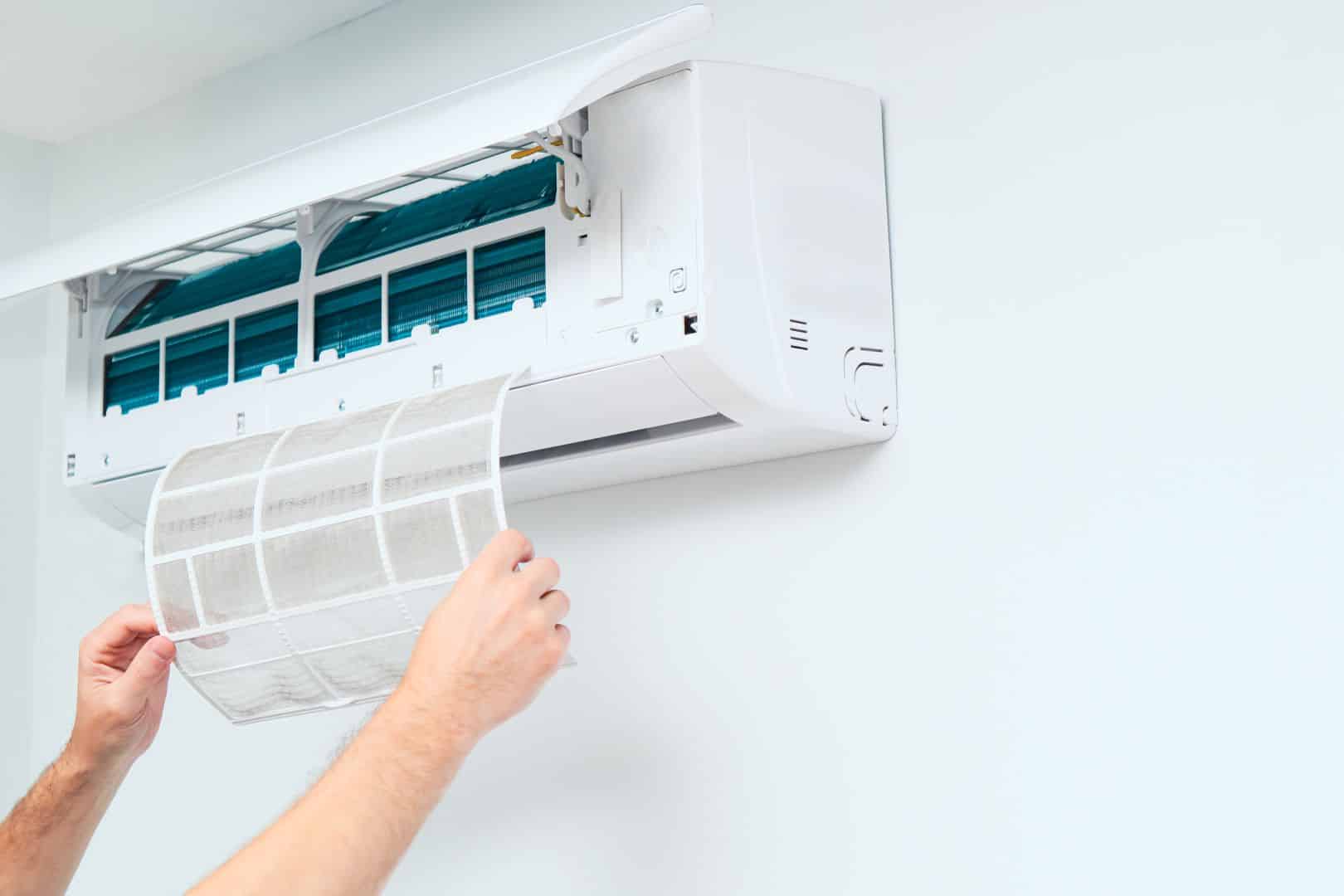
If you are planning to install ducted air conditioning in your home, one of the first questions worth asking is how long the whole job will actually take. The honest answer is “most likely one to two days” – but that hides a lot of variables. Some installations are wrapped up in a single day. Others take three days, occasionally more, depending on the home’s layout, ceiling access, and a few unexpected factors that only show up once the installer is on site.
This guide walks through what ducted air conditioning installation actually involves, why installation time varies, and what a Brisbane homeowner can realistically expect from booking to handover.
The Short Answer
For a typical Brisbane single-storey home with reasonable ceiling access and no surprises, a professional installation team will install ducted air conditioning in one to two days.
For larger homes, double-storey homes, older homes with restricted ceiling access, or homes with multiple zones and additional features, the installation process can take two to three days, sometimes longer.
For homes where the install is straightforward and the system is modest in size, the job can be finished in a single day.
That range exists because ducted air conditioning installation is not a single task – it is half a dozen tasks stitched together, and each one can vary depending on the specifics of your home.
What’s Actually Involved in a Ducted Air Conditioning Installation
Before the installation team even arrives, the process has been running for a couple of weeks. Here is what a full ducted air conditioning installation actually looks like end to end.
Step 1 – Site Inspection and System Design
Every proper ducted air conditioning installation starts with a site visit. The installer comes to your home, measures the rooms, assesses the roof cavity for ducting runs, checks insulation, looks at sun exposure and ceiling space, and asks how you actually use the home.
This is not a sales call – it is genuine system design. Get the sizing wrong here and your ducted system will either struggle in summer or fail to remove humidity properly. A good site inspection takes 45 minutes to an hour.
After the inspection, the installer designs the system: where the central indoor unit sits, where the outdoor unit goes, how the ducts run through the ceiling, where vents land in each room, and how zones are configured. You receive a detailed quote covering the full installation.
Step 2 – Booking and Lead Time
Once you accept the quote, the next variable is when the installation team can actually start. In peak seasons (Brisbane summer, November through February), lead times stretch out – sometimes three to four weeks. In cooler months, you might book a job in within a week or two.
This is worth knowing if you are planning a new ducted system specifically to be ready for summer. Booking in spring rather than mid-January makes a significant difference to when you actually get cool air through the ducts.
Step 3 – Installation Day One
This is where most of the heavy lifting happens.
Setting up the site. The installer arrives, lays down dust covers and protective floor coverings, and prepares the work areas. A tidy install begins with not making a mess in the first place.
Positioning the indoor unit. The central indoor unit – the fan coil that sits in the roof space – is installed in the ceiling cavity. For most Brisbane homes this goes in the central roof area, balanced for ductwork distribution.
Positioning the outdoor unit. The outdoor unit (the compressor) is mounted outside the home on a pad or wall bracket, ideally in a shaded position with good airflow and away from bedroom windows where possible.
Running ductwork. The insulated ducts run through the roof space from the central unit out to each room. This is the most time-consuming part of the installation process. The ducts need to be sized correctly for each branch, supported properly through the roof cavity, and sealed at every connection point. For a typical four-bedroom home you might be looking at six to ten duct runs.
Cutting ceiling outlets. The installer cuts the ceiling outlets where the air vents will land in each room. These are positioned carefully so the cooled air flows where it is meant to, not into a wall or across a doorway.
Refrigerant lines. Copper refrigerant lines run between the indoor and outdoor units, carrying refrigerant through the system. These need careful routing and proper insulation.
Electrical wiring and electrical connections. A ducted air conditioning system needs proper electrical connections – usually from the switchboard to the outdoor unit, and separate wiring for the control panel and zone motors. This is why having an installer with in-house licensed electricians matters – it keeps the installation streamlined rather than requiring a separate electrician to come back another day.
By the end of day one, on most jobs, the major equipment is installed and the ductwork is in place.
Step 4 – Installation Day Two
Day two is about finishing, testing and commissioning.
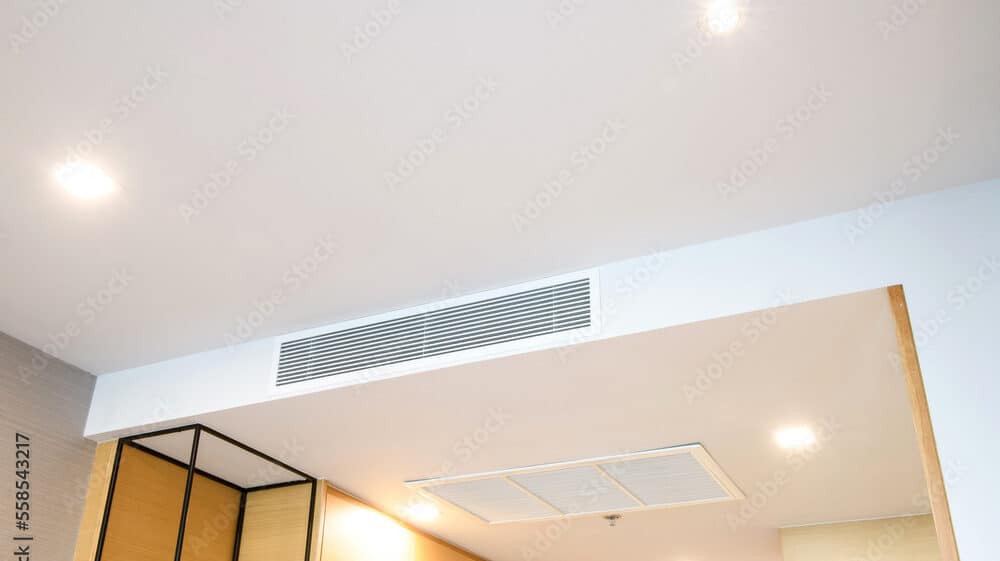
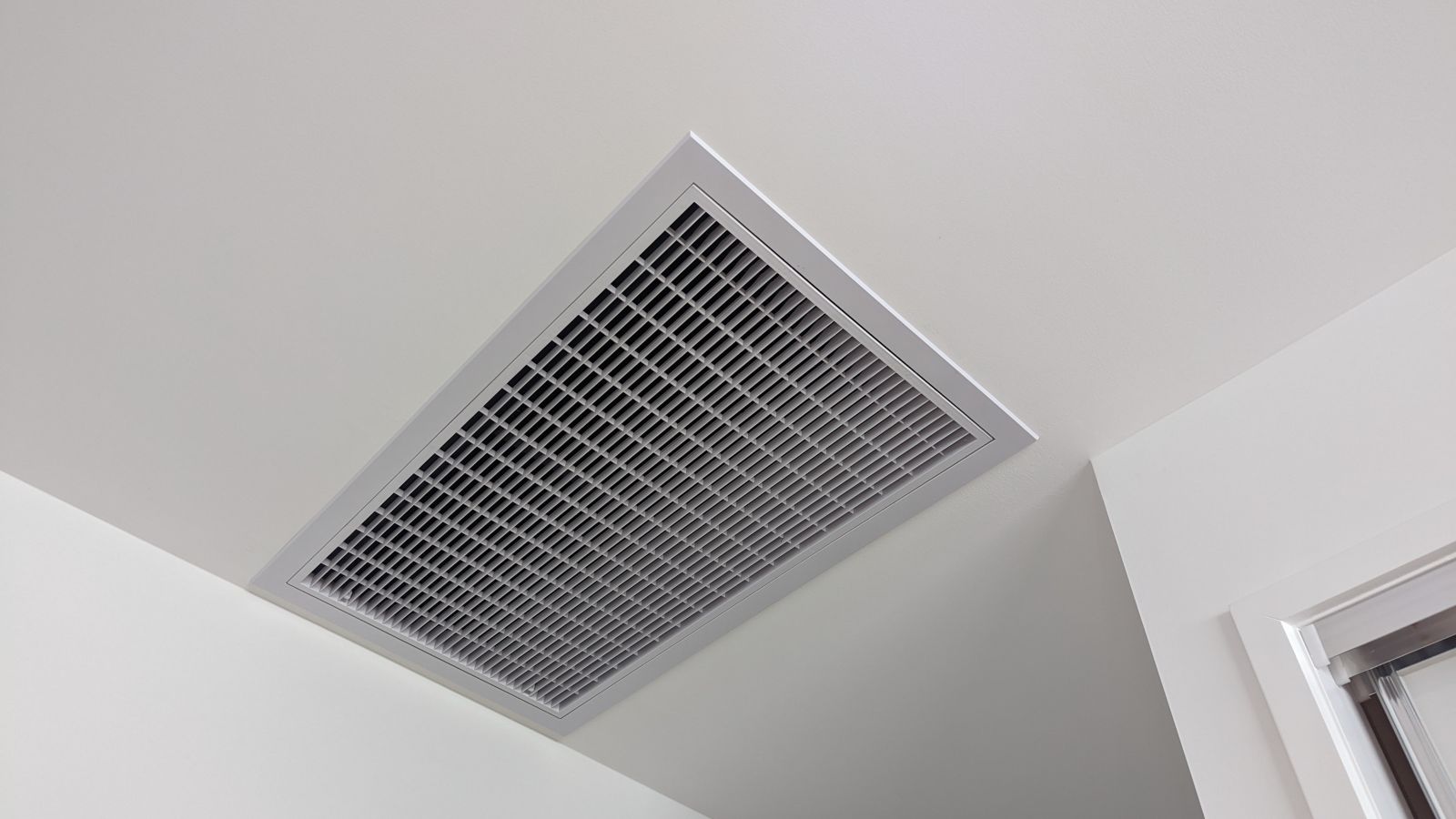
Installing vents and grilles. The visible ceiling vents go in, properly aligned and finished neatly.
Zone motors and the control panel. If your system has multiple zones – which most modern ducted systems do – the zone motors are installed in the ductwork and wired back to the control panel. The control panel (often a touchscreen) is mounted on a wall in a sensible spot.
Commissioning. The system is filled with refrigerant, vacuumed, pressure-tested, and started up. The installer checks airflow at every vent, balances the system if needed, and tests every zone.
Handover. This part is genuinely important. A good installer walks you through how the system works – how to operate the control panel, how to use the zones, how to access app control if your system has it, how to change filters, and what to expect in terms of running and maintenance. Skip this and you will be calling the installer in three months asking how to do basic things.
For a straightforward home, the job is done by the end of day two.
What Makes a Ducted Air Conditioning Installation Take Longer?
The factors that push installation time beyond two days are usually predictable, and a good installer will flag them during the site inspection so you are not surprised.
Limited ceiling access. Older Brisbane homes – particularly Queenslanders, character cottages, or homes with low-pitch rooflines – sometimes have tight roof spaces that slow ductwork installation significantly. Working around traditional construction takes longer.
Two-storey homes. Running ducts between floors adds complexity. The installation team needs to find paths down through wall cavities or service voids to reach the ground floor, and sometimes ducts need to share paths with other services.
Larger homes. A 400-square-metre home with eight or nine zones simply takes more time than a 200-square-metre home with four zones. More ductwork, more vents, more zone motors, more commissioning.
Additional features. Smart home integration, Wi-Fi control panels, premium zoning systems like MyPlace by Advantage Air, and constant zones for specific rooms all add a bit of installation time. Worth it for the end result, but worth knowing about.
Electrical upgrades. If your switchboard or wiring needs upgrading to support the new ducted air conditioning, that adds time – usually half a day to a day, ideally done in parallel with the rest of the install.
Weather. Brisbane weather can interrupt outdoor unit installation. Heavy rain delays bracket-mounting and refrigerant line work. Extreme heat in the roof cavity can slow down work in there too, particularly mid-summer. Most installers work around weather rather than postponing, but very occasionally a job rolls over because of it.
Unexpected factors. Occasionally an installer opens a ceiling cavity and finds something unexpected – asbestos in older homes, structural issues, existing wiring that needs to be reworked. A good installer flags these immediately and gives you options rather than pushing through.
Ducted vs Split System Installation Times
For context, a single split system air conditioning installation typically takes three to five hours. A multi-head split system installation with several indoor units might take a full day.
Ducted air conditioning installation always takes longer than split system installation because the ductwork itself is a substantial job. That is the trade-off you accept for whole-house comfort from a single system.

What You Can Do to Keep the Install Running Smoothly
The homeowner role on installation day is mostly to stay out of the way and be available for questions, but a few small things help:
- Clear access to the roof cavity if the entry is through a wardrobe or hallway hatch.
- Move furniture and breakables away from where the installer will be working – typically near each planned vent location.
- Make sure someone is home to answer questions and approve any minor on-the-fly decisions.
- Set aside time for the handover at the end. Rushing this part is a false economy.
What to Expect from a Good Installer
A professional team installing a ducted air conditioning system properly will:
- Give you a clear timeframe in the quote, not a vague “should be quick.”
- Arrive on time on installation day.
- Lay down dust covers and protective coverings to keep the home tidy.
- Handle all electrical connections in-house rather than requiring a separate sparky.
- Test every zone and every vent before leaving.
- Walk you through how to operate the system.
- Leave the home as clean as they found it, with all rubbish and packaging removed.
At Hello Breeze, we install ducted air conditioning across Brisbane and the Redlands, and most of our residential installs are completed in one to two days. We give you a clear timeframe in your quote based on a proper site inspection – not a guess – and we keep you informed if anything changes on the day. Get a free quote if you would like to talk through what a ducted installation in your home would actually involve.
FAQs – Ducted Air Conditioning Installation Time
How long does ducted air conditioning installation take in a typical Brisbane home?
One to two days for most single-storey homes with reasonable ceiling access. Larger or more complex homes can take two to three days.
Can a ducted system be installed in one day?
Yes – for smaller homes with simple layouts and good ceiling access, a complete installation including commissioning can be wrapped up in a single day. Most installs run to a second day for finishing, balancing and proper handover.
How much longer does a double-storey home take?
Usually an extra half-day to a full day. Running ducts between floors requires careful routing through wall cavities or service voids, which takes more time than a single-storey install.
Will the installer need to access every room?
Yes – for ceiling outlets, vent installation, and to check airflow during commissioning. You do not need to be in every room with them, but the rooms need to be accessible.
Can I stay in the home during the install?
Yes. It is dusty in places and there will be noise, but you can be home throughout. Most homeowners find it easier to be present, particularly for any on-the-fly decisions about vent placement or control panel location.
Will the installer leave the home tidy?
A good installer will – dust covers down at the start, all rubbish and packaging removed at the end, ceilings cleanly cut and finished. If your installer does not do this as standard, that is a red flag worth noting.
What time of year is best for booking a ducted installation?
Spring (September to November) is the sweet spot. The weather is comfortable for outdoor work, the system is ready before summer hits, and installer lead times are usually shorter than during peak summer demand.
Does the installation include all electrical work?
With a proper installer it does. Look for a team with in-house licensed electricians – it keeps the job tight rather than spreading it across multiple trades and multiple visits.